
Artificial Intelligence is changing the tech industry pretty quickly.
We often hear about AI taking over tasks or changing the way people work. But there is another side to the story.
As companies start using AI and machine learning in more parts of their business, they also need people to know how to build, manage, secure, and improve these systems.
That means the AI job market isn't simply about jobs disappearing.
New roles are emerging as well, and here are six emerging AI job titles that you should know about in 2026.
List of Emerging Jobs Created by AI
These roles cover different parts of the AI ecosystem, from building AI agents to keeping AI systems safe.
1. AI Agent Engineer
AI agents are systems that can do more than simply answer a question. They can use tools, access information, make decisions, and complete a series of tasks.
An AI Agent Engineer builds these systems, often working with technologies such as machine learning, large language models, APIs, and automation tools.
Their work can include designing how an agent works, connecting it to tools and APIs, giving it access to the right information, and testing whether it can complete tasks completely.
The role is also becoming more relevant as companies move from simply experimenting with AI chatbots to building systems that can actually carry out work.
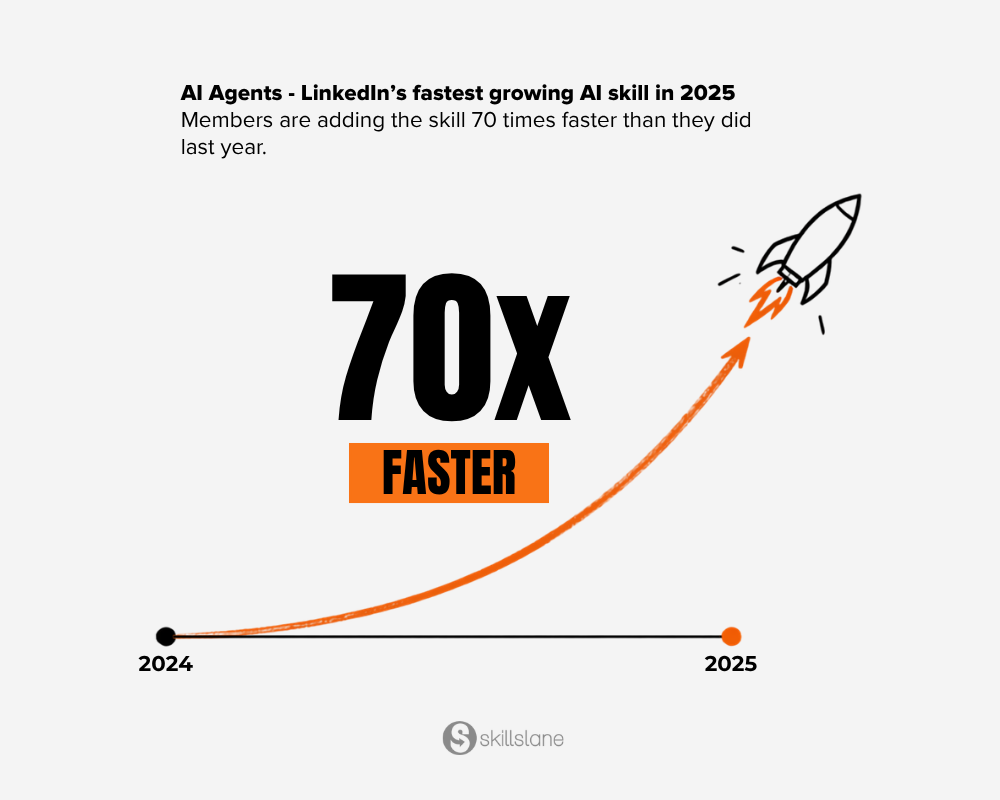
LinkedIn’s 2025 AI Labour Market Update shows just how quickly interest in AI agents is growing.
In 2025, AI agents became the fastest-growing AI skill on the platform, with members adding the skill more than 70 times faster than they did the year before.
2. AI Automation Engineer
AI Automation Engineers focus on a simple question: "What work can we get AI to do for us?" They look at repetitive business processes and find ways to automate them using AI.
For example,
An AI Automation Engineer might build a workflow that reads incoming customer requests, sorts them, extracts useful information, and sends the right information to another system.
The job sits somewhere between Artificial Intelligence, software, and business process automation. You don't necessarily need to build an AI model from scratch.
Instead, you need to understand how AI tools can be connected to the systems a company already uses.
This is an area worth watching because companies are increasingly trying to move beyond simply giving employees access to AI tools and actually building AI into their everyday workflows.
3. AI Product Manager
An AI Product Manager is responsible for figuring out what an AI-powered product should actually do.
The role is similar to traditional product management, but AI adds a few extra challenges.
AI Product Managers need to have enough AI literacy to understand what AI can and cannot do, work closely with engineers and data teams, think about how users interact with AI, and decide whether a particular AI feature is actually useful.
They may work on things like AI assistants, recommendation systems, AI-powered software features, or completely new AI products.
As AI becomes part of more products, people who can connect technical AI capabilities with actual customer needs become increasingly useful.
4. AI Safety Engineer
AI systems don't always operate as expected. An AI Safety Engineer works on reducing these unexpected risks.
Their job can involve testing AI systems, looking for unanticipated or harmful behavior, identifying weaknesses, and helping build safeguards.
The work can be highly technical.
The growing AI safety job market reflects this need.
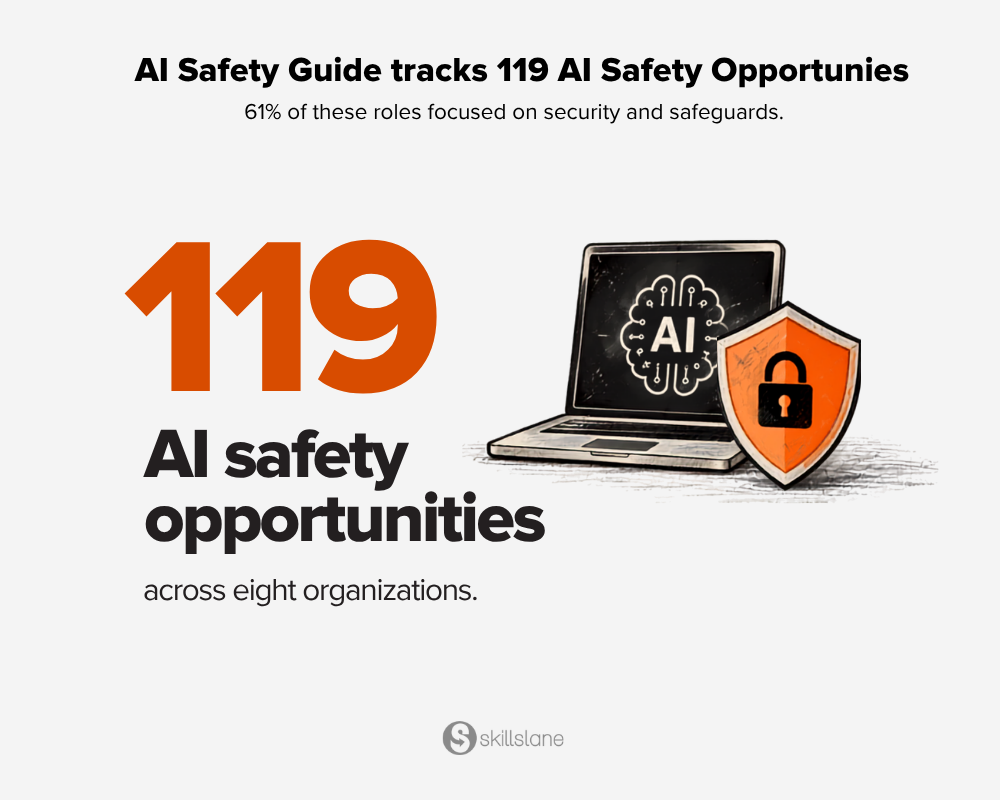
As companies use AI in more important parts of their products and operations, people who can test these systems and build safeguards around them become increasingly important.
5. AI Auditor
Companies don't just need people to build AI. They also need people who can take a closer look at how those systems are being used. That's where AI auditors come in.
An AI auditor examines an AI system and looks for potential problems.
Depending on the organization and the type of AI system, that could include issues around data, bias, privacy, security, performance, documentation, or compliance.
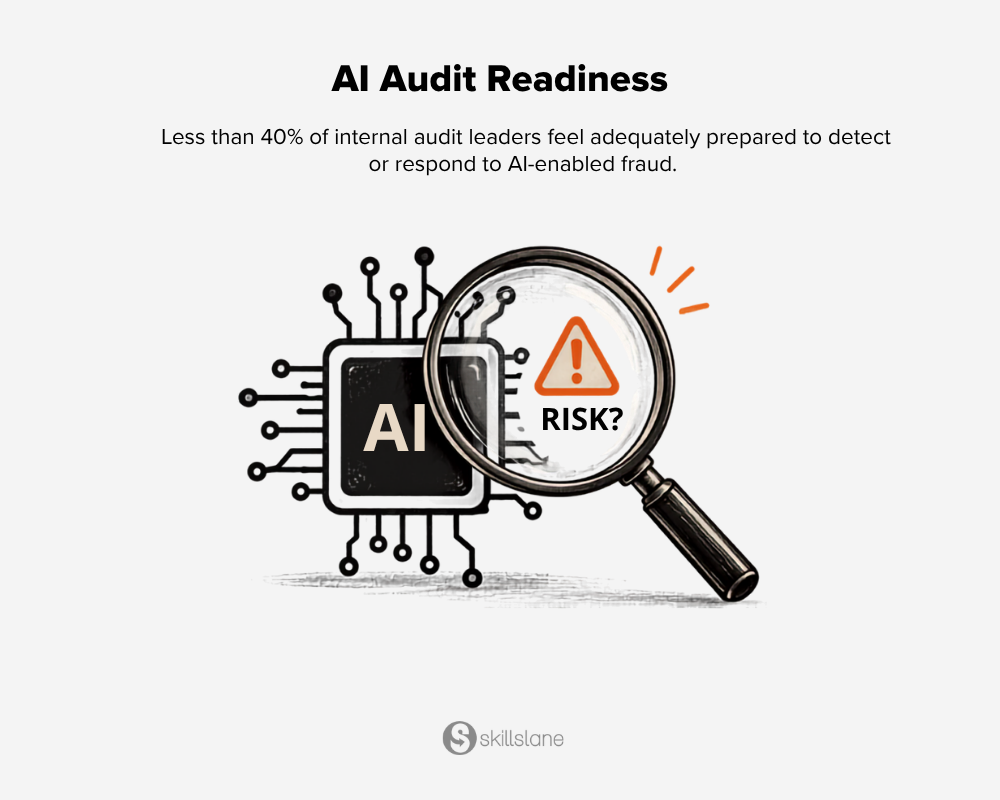
The need for these skills is becoming clearer as AI creates new risks for organizations.
A 2026 study from The Institute of Internal Auditors and AuditBoard found that fewer than 40% of internal audit leaders believe their functions are adequately prepared to detect or respond to AI-enabled fraud.
AI auditors may also need to understand the rules and policies that apply to the systems they are reviewing.
This makes the role particularly interesting for people who already have experience in areas such as compliance, internal audit, cybersecurity, or risk and want to move into AI.
6. AI Security Analyst
AI has created new security problems alongside all the new possibilities.
An AI Security Analyst focuses on protecting AI systems and the data connected to them.
Some AI-specific security risks include prompt injection, data leakage, and attacks against AI-powered applications.
This makes cybersecurity knowledge especially useful here.
Someone who already understands security, and AI ethics can be well positioned for this type of work.
The need is also likely to grow as companies put AI into more products and internal systems.
Conclusion
AI is changing the tech job market, but the story isn't simply about automation replacing people.
Companies also need people who can build AI systems, automate workflows, manage AI products, test their safety, audit how they are being used, and protect them from security threats.
That is exactly why these particular roles, among others, are becoming more relevant.
You don't necessarily need to become an AI researcher to build an AI-focused career.
In many cases, the more practical path is to take the skills you already have and layer AI expertise on top of them.
Other useful Resources: