A few years ago, artificial intelligence was something that only developers and data scientists talked about. Today, it has become part of everyday work.
From writing emails and analyzing data to creating presentations and automating tasks, AI tools are helping people work faster and smarter. This shift has also changed what employers look for when hiring.
Companies are no longer searching only for AI engineers. They want professionals across marketing, HR, finance, operations, sales, and customer service who know how to use AI effectively.
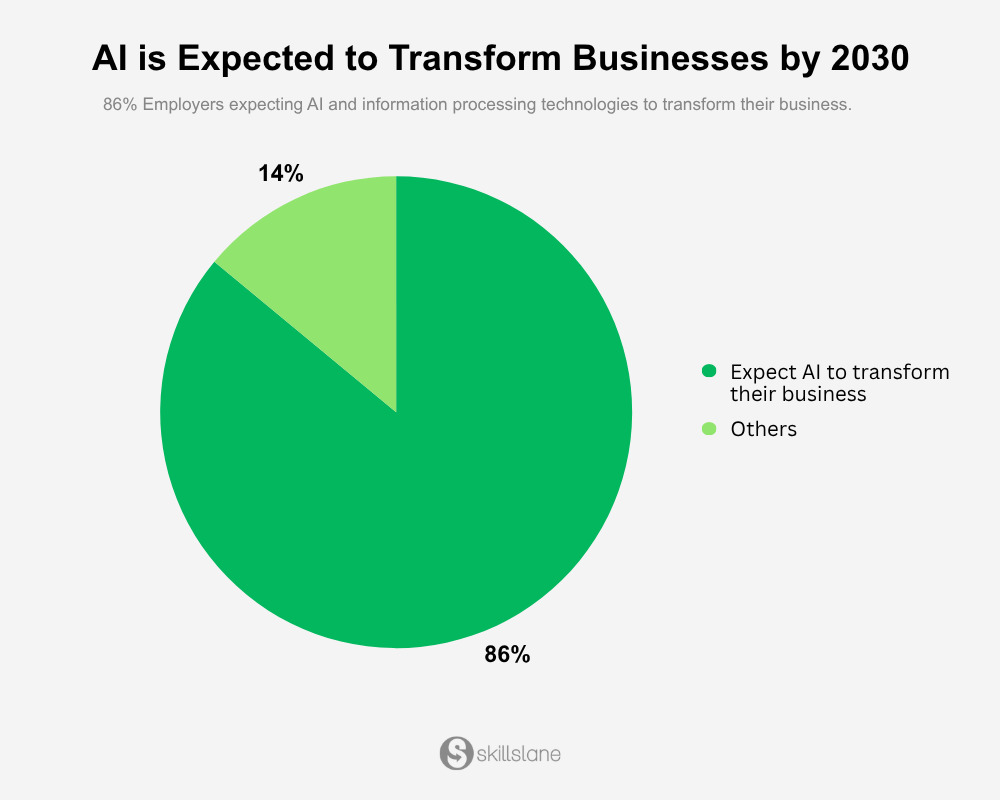
According to the World Economic Forum's Future of Jobs Report, 86% of employers expect AI and information processing technologies to transform their businesses in the coming years.
This shows just how important artificial intelligence has become in the modern workplace. The good news is that you do not need to become an AI expert to stay relevant.
After researching the AI skills employers are looking for in 2026, I found that the focus goes beyond technical expertise.
Let’s take a closer look at the skills that are changing the future of work.
Why AI Skills Matter More Than Ever in 2026
As AI becomes a part of everyday work, the demand for AI-related skills continues to grow.
Let's look at some of the factors driving this change.
Growing Adoption of AI Across Industries
AI is no longer limited to the technology sector.
Today, healthcare organizations use AI to support diagnosis, retailers use it to understand customer behavior, and financial institutions use it to detect fraud.
Even small businesses are using AI tools for content creation, customer support, and data analysis.
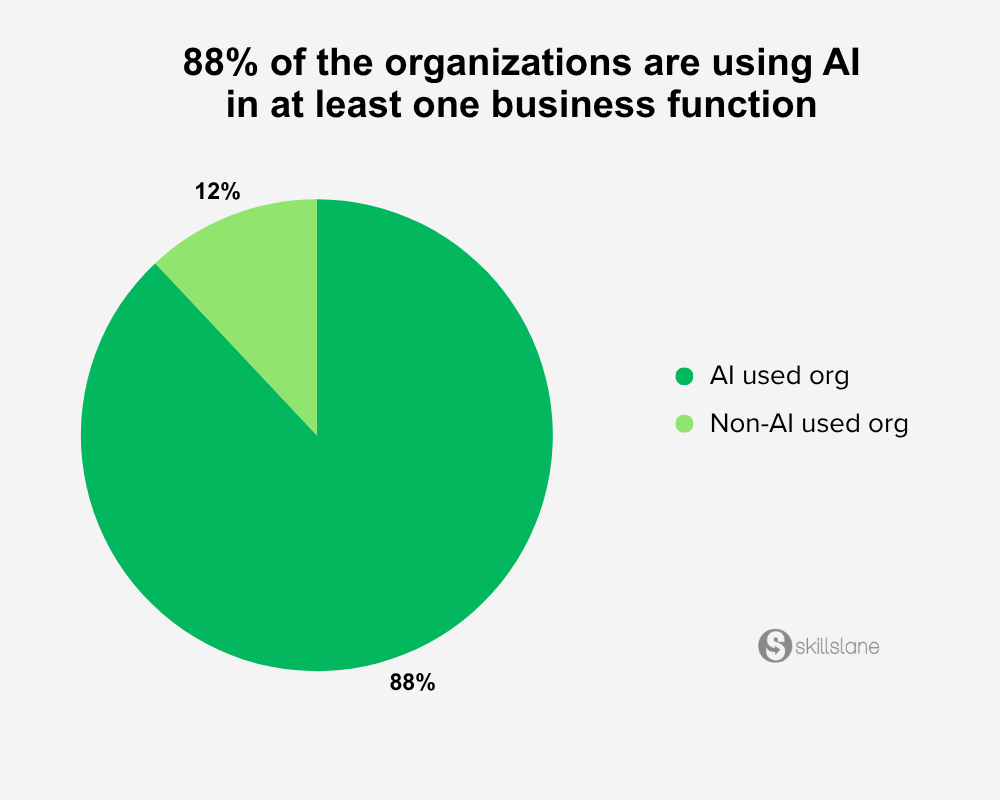
As AI becomes part of everyday operations, employers expect workers to be comfortable using these tools.
Employers Are Prioritizing AI-Skilled Talent
Most students that I know are struggling to get a job, and also experienced professionals are too. Do you know why?
Because they lack AI skills.
Companies want employees who can adapt to new technologies. They are looking for people who understand how AI works and know how to use it to solve problems.
In many industries, AI skills are becoming a competitive advantage. Candidates who can use AI tools productively often stand out during the hiring process.
Research has also shown that AI skills can significantly improve a candidate's chances of receiving interview invitations.
AI is Changing How You Work
Layoffs, hiring freezes, and workforce reductions have become common across many industries. However, many companies are still struggling to find candidates with the right AI skills.
According to the World Economic Forum's Future of Jobs Report, skill gaps remain one of the biggest challenges businesses face today.
As a result, companies are investing more in AI and prioritizing upskilling and reskilling programs to prepare their workforce for the future.
While some roles are being restructured, new opportunities are emerging for professionals who understand AI, machine learning, automation, and data-driven decision-making.
AI is also changing the way we work rather than simply replacing jobs.
Many companies use AI to help employees work more efficiently, and I have personally used AI for tasks such as content creation and research.
Top AI Skills Employers Are Looking For in 2026
Here are the top AI skills that employers are looking for, and they are ready to pay more.
1. AI Literacy
AI literacy is one of the most important skills in today's workplace. This does not mean understanding complex algorithms or building machine learning models.
It basically means knowing what AI can do, where it can help, and where its limitations exist. Employees with strong AI literacy know how to choose the right tools, verify AI-generated information, and use AI responsibly.
As AI becomes more common, this basic understanding is becoming as important as digital literacy.
2. Prompt Engineering
Prompt engineering is the ability to give clear instructions to AI tools. The quality of AI output often depends on the quality of the prompt.
A vague prompt usually produces vague results, while a detailed prompt often produces more useful responses.
As more businesses use tools like ChatGPT, Claude, Gemini, and Microsoft Copilot, prompt engineering is becoming a valuable workplace skill.
3. AI-Powered Data Analysis
Businesses generate huge amounts of data every day.
The challenge is converting that data into useful insights. AI tools can help employees understand information faster and generate reports based on the information.
But, employers still need people who can interpret the results and make informed decisions.
Professionals who can combine data analysis skills with AI tools are becoming increasingly valuable across industries.
4. Workflow Automation
Many workplace tasks are repetitive and time-consuming. AI can help automate these activities. Examples include:
- Scheduling meetings
- Organizing emails
- Generating reports
- Creating summaries
- Managing customer queries
Employees who understand how to automate routine tasks can save time and improve productivity. This is one reason workflow automation has become a highly valued skill.
5. Human-AI Collaboration
The future of work is not about humans competing with AI. It is about humans working alongside AI.
Successful professionals know when to use AI and when human judgment is needed. They use AI to handle repetitive tasks while focusing their own efforts on creativity, strategy, communication, and decision-making.
Employers value people who can use AI for its efficiency without compromising their individual thinking.
6. AI Ethics and Responsible Use
As AI adoption grows, responsible use becomes more important. Organizations want employees who understand issues such as:
- Data privacy
- Bias in AI systems
- Accuracy of AI-generated information
- Ethical use of customer data
AI ethics is becoming an important skill because using AI responsibly helps businesses build trust and avoid costly mistakes.
I have reviewed industry reports, hiring trends, and employer expectations, these are the AI skills and roles that stand out today.
7. Basic Programming Knowledge
Not every professional needs to become a software developer. But, basic programming knowledge can be useful. Languages such as Python are widely used in AI and automation projects.
Understanding basic coding concepts can help employees work more effectively with AI tools and technical teams. Even a beginner-level understanding of programming can provide a strong advantage.
8. Understanding Large Language Models (LLMs)
Large Language Models, commonly known as LLMs, power many popular AI tools today.
LLMs are built using advanced machine learning techniques and vast amounts of training data, making them the foundation of many modern AI applications.
Understanding how these models work can help professionals use them more effectively. It also helps users recognize their strengths and limitations. You do not need to understand the mathematics behind LLMs.
A practical understanding of how they generate responses and process information is often enough.
9. AI Tool Proficiency
Many employers now expect candidates to be familiar with AI tools. Some commonly used tools include ChatGPT, Microsoft Copilot, Gemini, Claude, Notion AI, and Grammarly AI.
Being comfortable with these tools can improve productivity and demonstrate that you are ready to work in an AI-driven environment.
Learning AI skills helps you stay relevant, but companies are also hiring for specific AI-related roles. As the use of Artificial Intelligence and machine learning increases, the demand for skilled AI professionals also increases.
Here are two AI roles that employers are actively looking for right now.
ML Engineers
ML engineers build and manage the technology that helps AI systems learn from data. Their work powers many of the AI tools people use every day, like chatbots and automation systems.
As AI becomes more common in workplaces, ML engineers are becoming more valuable to businesses.
AI Specialists
AI specialists help companies use AI effectively. They work with different teams to understand business needs, recommend AI solutions, and make sure AI tools are used in the right way.
How Can Professionals Build AI Skills?
The following steps can help you build AI skills and stay competitive.
Use AI Regularly
A simple way to learn AI is by using it regularly.
Use AI tools for day-to-day activities like writing, brainstorming, research, note-taking, or planning. Daily practice helps you understand what works and what does not.
Take Online AI Courses
There are many beginner-friendly AI courses available online. Platforms like Coursera, LinkedIn Learning, and Udemy have courses that cover AI fundamentals, prompt engineering, automation, and data analysis.
Structured learning can help build confidence and improve practical skills.
Work on Real-World AI Projects
Employers value practical experience.
Try creating a content calendar using AI, building a simple automation workflow, analyzing data with AI tools, or using AI to improve an existing work process.
Hands-on projects demonstrate your ability to apply AI in real situations.
Stay Updated With AI Trends
AI is evolving much faster than before. New tools and features appear almost every month.
Follow AI newsletters, blogs, podcasts, and industry reports to stay informed about the latest developments.
Continuous learning is becoming one of the most valuable career habits.
Build a Portfolio That Demonstrates AI Usage
A portfolio can help showcase your skills.
Instead of simply listing AI tools on your resume, show how you have used them.
Include examples of projects, content pieces, research tasks, or automations you have completed with AI support.
Employers often prefer proof of skills over a long list of certifications.
Conclusion
AI is no longer a future trend. It is already changing the way businesses operate and how employees work.
As companies continue to adopt AI, the demand for AI-skilled professionals will only grow.
The most valuable skills in 2026 are not just technical.
Organizations are looking for people who can understand how to use AI, can work with these tools effectively, think critically, analyze information, automate routine tasks, and make better decisions using AI-generated insights.
The good news is that these skills are accessible to everyone. You do not need an advanced technical background to get started.
By learning how to use AI in practical ways and staying curious about new developments, you can build skills that remain valuable for years to come.
In a world where AI is becoming part of everyday work, the professionals who learn to work alongside it will be the ones who stay ahead.